Understanding CNC Machining in Aerospace Manufacturing
CNC machining stands at the forefront of manufacturing technologies, particularly in the aerospace sector, where precision and reliability are paramount. As we move deeper into 2026, the demand for expertly machined parts that meet strict regulatory standards continues to rise. This article delves into the intricate world of CNC machining, emphasizing its critical role in aerospace manufacturing and how organizations like Honscn have established themselves as leading aerospace cnc parts manufacturers. We will explore its benefits, the materials used, and emerging trends that shape the future of this industry.
What is CNC Machining?
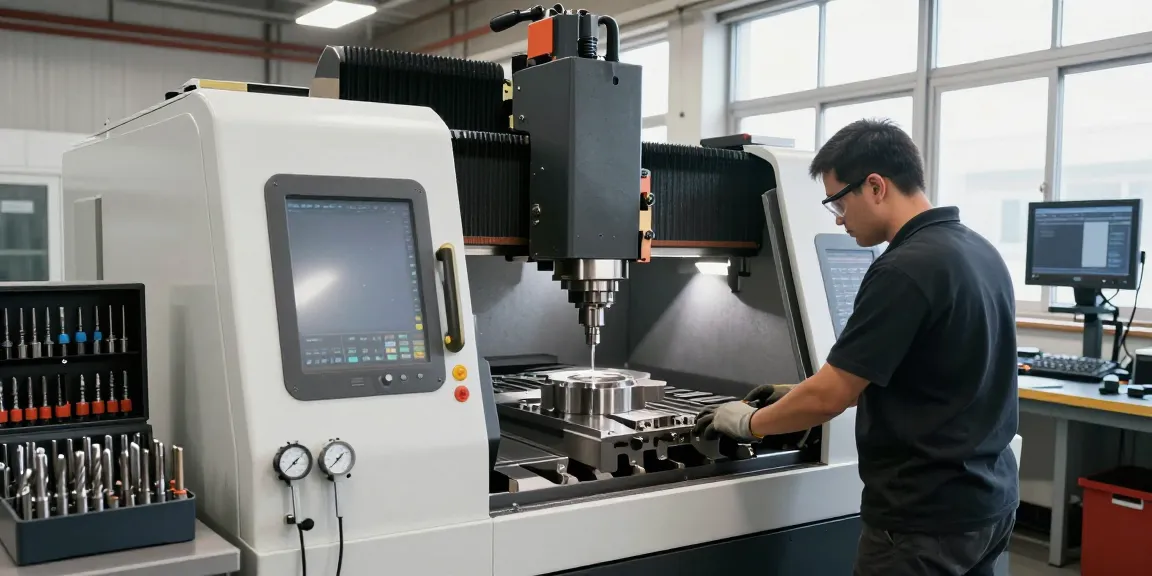
CNC, or Computer Numerical Control, machining is a subtractive manufacturing process where pre-programmed computer software dictates the movement of production equipment. This method allows for the transformation of raw materials into precise components essential for various applications. In aerospace, where tolerances are extremely tight and the stakes are high, CNC machining ensures that parts are produced with unparalleled accuracy and repeatability.
The Role of CNC Machining in Aerospace Parts Production
In aerospace manufacturing, CNC machining is pivotal for producing components such as airframe structures, engine parts, and landing gear assemblies. These components often require complex geometries and high-performance materials to withstand harsh environments. The flexibility of CNC machines allows for the rapid production of components that can be tailored to specific aircraft designs, thereby enhancing performance and safety.
Benefits of CNC Machining for Aerospace Manufacturers
- Precision: CNC machining can achieve tolerances as tight as ±0.001 inches, crucial for aerospace applications.
- Consistency: Once programmed, CNC machines can produce identical parts with minimal variation, ensuring quality control.
- Efficiency: CNC machines operate continuously and can perform multiple operations, reducing production times.
- Complexity: They can handle intricate designs that would be impossible or highly labor-intensive with traditional machining methods.
Key Materials Used in Aerospace CNC Machining
Popular Metals for Aerospace CNC Parts
When fabricating aerospace parts, various metals are commonly selected based on their unique properties. Aluminum alloys are favored for their lightweight and resistance to corrosion, while titanium is renowned for its high strength-to-weight ratio. Other metals like stainless steel and nickel alloys, including Inconel, are used for components exposed to high temperatures and aggressive environments.
High-performance Plastics in Aerospace Applications
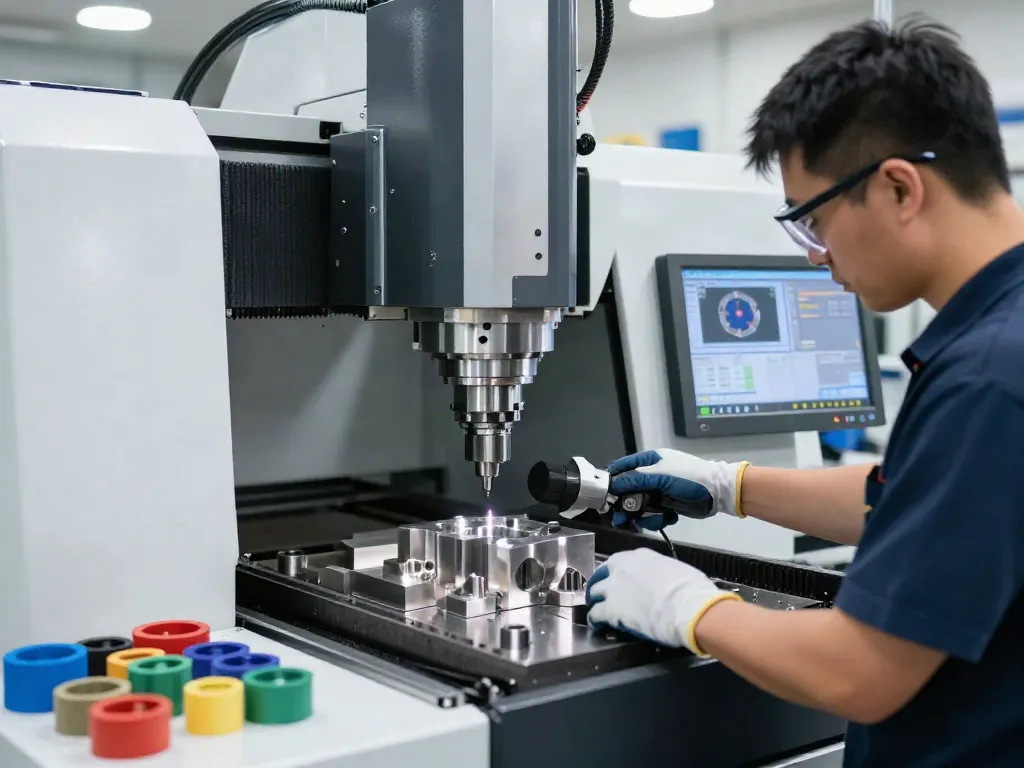
In addition to metals, high-performance plastics play an essential role in aerospace manufacturing. Materials such as PEEK and PMMA are increasingly used for their lightweight nature and ability to withstand extreme conditions. The integration of plastics can significantly reduce weight without compromising structural integrity, which is crucial for improving fuel efficiency.
Material Selection Criteria for Precision Parts
Choosing the right materials for aerospace components involves various considerations. Factors such as tensile strength, weight, thermal stability, and resistance to environmental stressors are critical. Through rigorous testing and analysis, manufacturers can determine the best materials to meet their specifications while adhering to safety regulations.
Best Practices for Precision Parts Development
Rapid Prototyping Techniques in Aerospace
Rapid prototyping plays a vital role in the development of aerospace components. Techniques such as additive manufacturing allow for quick iterations and testing of designs, helping engineers identify flaws early in the design process. Coupled with CNC machining, rapid prototyping can drastically reduce lead times from concept to production.
Quality Control Measures in CNC Machining
Quality control in CNC machining is non-negotiable in aerospace manufacturing. Implementing rigorous inspection processes—such as coordinate measuring machines (CMM) and non-destructive testing (NDT)—ensures that each part meets stringent industry standards. Manufacturers must also maintain documentation for traceability and compliance with regulatory requirements.
Common Challenges in Manufacturing Aerospace Parts
Despite the numerous advantages of CNC machining, manufacturers face several challenges. These may include high costs for materials, the need for specialized skills, and the complexities of machine setup. Moreover, adapting to evolving technologies and maintaining equipment can impose significant logistical hurdles.
The Future of CNC Machining in Aerospace
Emerging Technologies in CNC Machining
The landscape of CNC machining is continually evolving, with innovations like artificial intelligence (AI) integration and machine learning emerging as ways to enhance precision and efficiency. These technologies can optimize machining processes by predicting tool wear or adjusting parameters in real-time, thus minimizing downtime and improving production rates.
Trends Shaping Aerospace Manufacturing in 2026
As the aerospace industry heads towards 2026, several trends are shaping the future of machining. The move towards electric and hybrid aircraft is increasing demand for lightweight materials, pushing manufacturers to explore alternatives to traditional metals. Additionally, the focus on sustainability is prompting a shift towards recyclable materials and processes that minimize waste.
How Sustainability is Impacting CNC Machining
With global emphasis on sustainability, aerospace manufacturers are adopting eco-friendly practices in CNC machining. This includes utilizing energy-efficient machines, optimizing production processes to reduce waste, and investing in materials that are either recyclable or biodegradable. These shifts not only meet consumer demand but also align with regulatory pressures for greener manufacturing practices.
Case Studies of Leading Aerospace CNC Manufacturers
Success Stories from Established Manufacturers
Several aerospace manufacturers have successfully leveraged CNC machining to enhance their production capabilities. Companies like Boeing and Airbus have adopted advanced machining techniques to produce components with improved performance parameters, underscoring the importance of innovation in maintaining competitive advantage.
Lessons Learned from Industry Leaders
Analysis of top aerospace CNC manufacturers reveals valuable lessons regarding adaptability and investment in technology. By focusing on continuous improvement and embracing new methodologies, these leaders have demonstrated how agility in production can lead to increased efficiency and reduced costs.
Comparative Analysis of Manufacturing Techniques
Comparative studies show that while traditional machining has its merits, CNC machining surpasses it in speed, precision, and adaptability. The flexibility of CNC machines allows for rapid adjustments and the ability to switch between different materials and part designs without significant downtime.
What are the benefits of CNC machining in the aerospace industry?
The primary benefits of CNC machining in aerospace include enhanced precision, efficiency, and the ability to produce complex geometries. These advantages are particularly vital in a field where safety and performance are paramount.
How do aerospace manufacturers ensure precision in CNC machining?
Aerospace manufacturers implement stringent quality control processes, utilize advanced measurement systems, and adhere to industry standards to ensure that precision is maintained throughout production.
What materials are commonly used in Aerospace CNC parts?
Commonly used materials in aerospace CNC parts include aluminum alloys, titanium, stainless steel, and high-performance plastics such as PEEK and PMMA, each selected for their unique properties and applications.
What future trends should aerospace manufacturers be aware of?
Future trends include the integration of advanced technologies like AI and machine learning in machining processes, the emphasis on sustainability, and the need for lightweight materials to support the next generation of aircraft.
How does rapid prototyping enhance aerospace manufacturing?
Rapid prototyping allows aerospace manufacturers to quickly iterate on designs, test components, and streamline production processes, ultimately reducing lead times and improving the overall manufacturing cycle.