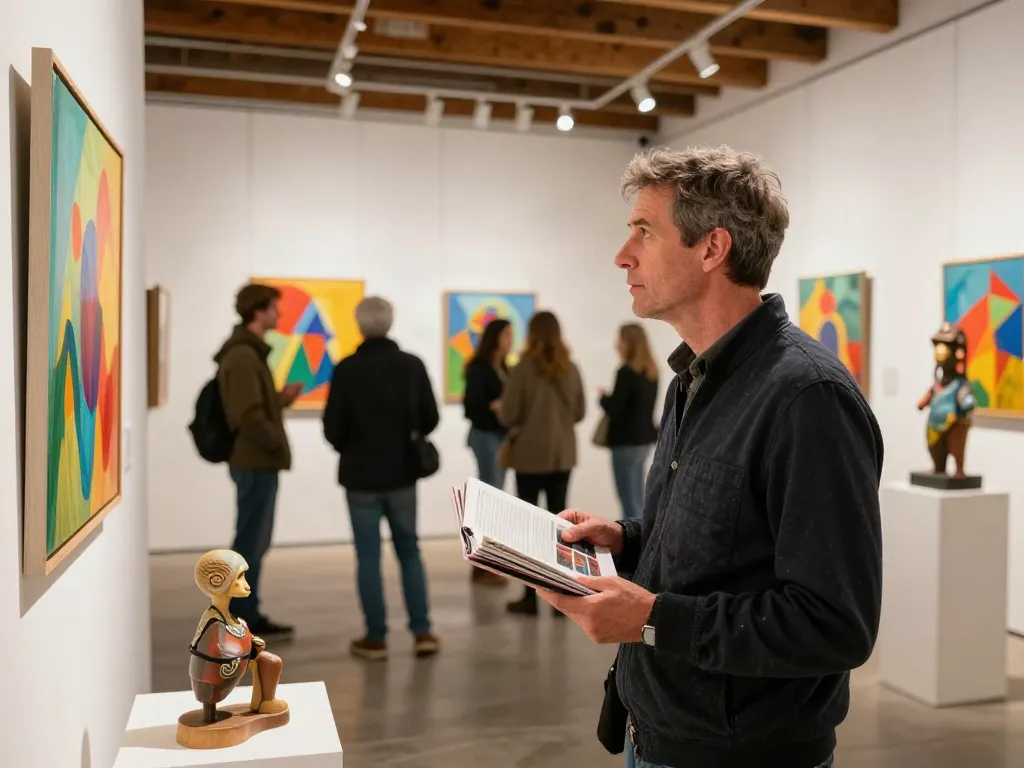
The Role of Bruce Bailey in the Toronto Art Scene
Bruce Bailey is not just a name but a significant pillar within the Toronto art community. As a collector and philanthropist, his influence extends beyond mere acquisitions, deeply impacting how art is experienced and appreciated in Canada. In an era where art can often feel transactional, Bailey brings a human element, focusing on the stories behind the artwork and the artists themselves. His passion for the arts is coupled with a commitment to uplifting local talent, thereby fostering an environment where creativity can thrive. When exploring options, Bruce Bailey Toronto provides comprehensive insights into how one individual can inspire a collective movement.
Understanding Bruce Bailey's Impact as a Patron
Bailey's role as a patron transcends traditional expectations. His extensive collection boasts a mix of contemporary pieces that challenge norms while simultaneously highlighting the cultural heritage of Canada. By supporting both emerging and established artists, Bailey creates a platform for diverse voices. This inclusivity not only enhances the richness of his collection but also sets a precedent for future collectors who may feel daunted by the art market.
One notable example is Bailey's collaboration with local art schools, which provides students with practical opportunities to showcase their work. Initiatives like these bridge the gap between art theory and practice and have helped countless young artists find their footing in the competitive Toronto art scene.
Collective Endeavors: Collaborative Projects and Community Support
Bailey's commitment to community is evident in the various collaborative art projects he has championed over the years. These endeavors often involve partnerships with local galleries, museums, and non-profit organizations, creating synergistic relationships that amplify the reach and impact of their collective work. A prime illustration of this is his involvement with the Toronto Arts Council, where he advocates for policies that favor local artists and communities.
Through mentorship programs and funding opportunities, Bailey helps to nurture the next generation of artists, ensuring that the artistic legacy continues to grow. Such initiatives underscore the importance of community support in the arts, reflecting a shared responsibility among patrons, artists, and audiences alike.
Bridging Tradition and Modernity in Art Collection
Bailey's approach to collecting art is a balancing act between honoring traditional art forms while embracing the avant-garde. He recognizes that while history informs contemporary practices, the future of art hinges on innovation and experimentation. By incorporating works from both classical and modern practitioners, his collection serves as a dialogue between different eras of artistic expression.
This philosophy is particularly relevant in today’s context, where the digital medium is rapidly reshaping the art landscape. Bailey's appreciation for both physical and digital formats allows him to maintain a relevant and engaging collection that resonates with a diverse audience.
Collecting Art: Strategies for Contemporary Patrons
Key Considerations for Starting Your Collection
For new collectors looking to navigate the art world, understanding the nuances of collection-building is essential. Bruce Bailey's journey offers insights into what should be prioritized. First, collectors should focus on personal passion rather than market trends; art should resonate personally, making it more fulfilling. Curating a collection that reflects individual taste creates a unique narrative that distinguishes one's collection from others.
Additionally, networking within the art community can prove invaluable. Engaging with artists, other collectors, and galleries fosters connections that can lead to exclusive opportunities and insights into emerging trends.
Best Practices in Acquiring Artworks
The process of acquiring art can be daunting, particularly for newcomers. Here are some best practices to consider:
- Research: Knowledge is power. Understand the artists, movements, and market values before making a purchase.
- Authenticity: Ensure you obtain provenance and authenticity certificates for high-value pieces.
- Support Local Artists: Engaging with local talent not only supports the community but often leads to more affordable acquisitions.
- Attend Exhibitions: Visiting galleries and art fairs can provide eye-opening experiences that shape your understanding of contemporary art.
Utilizing Technology for Smart Collecting Decisions
In our digital age, technology plays a crucial role in how art is collected and appreciated. Virtual galleries and online marketplaces make art more accessible, allowing collectors to discover artworks from around the globe without geographical constraints. Bailey himself has embraced these technologies, often highlighting the importance of online platforms in expanding one's reach and understanding of global art trends.
Moreover, utilizing social media can provide real-time feedback on emerging artists, trends, and events happening within the art community. This modern approach allows for informed decision-making based on collective insights.
Challenges Facing Art Collectors in 2026
Navigating Market Trends and Economic Factors
As the art market evolves, collectors face an array of challenges, particularly concerning economic fluctuations. In 2026, collectors will need to navigate market volatility, with inflation and changing consumer behavior impacting art prices. Understanding these economic factors is vital for making informed purchases.
Additionally, trends such as sustainability in art production and authenticity verification are becoming increasingly significant. Collectors should consider how these elements influence the works they choose to acquire.
Overcoming Common Misconceptions About Art Investing
Many potential collectors are deterred by misconceptions surrounding art investment. The belief that art is exclusively for the wealthy or that it is a risk-laden venture can prevent many from exploring this enriching experience. Bruce Bailey's work serves to demystify these notions. His advocacy for art as a form of cultural dialogue emphasizes that art collecting can be a fulfilling and accessible pursuit.
Education plays a key role in overcoming these misconceptions. Informative workshops and seminars offered by art institutions can help potential collectors understand the value of what they are buying beyond monetary terms, revealing art as an investment in culture and history.
Dealing with the Digital Shift: Art in a Virtual World
The digital transformation of the art scene presents both challenges and opportunities. Online sales have risen dramatically, leading many to question the market's future dynamics. Art collectors in 2026 must adapt to a landscape where digital art, NFTs, and virtual exhibitions coexist with traditional formats.
Collectors should embrace these technological advancements, understanding that the digital shift does not diminish the value of physical art but rather complements it. By engaging with both realms, collectors can curate a more diverse and comprehensive collection.
Case Studies: Successful Collectors Inspired by Bruce Bailey
Innovative Collections: Which Artists Are Leading Today?
Inspired by Bailey, various collectors are beginning to carve out their unique paths within the art world. Many are focusing on artists who challenge societal boundaries, echoing Bailey’s philosophy of using art as a vehicle for change. Artists like Kehinde Wiley and Ai Weiwei, known for their incisive social commentary, have gained popularity among collectors aiming to make a statement through their collections.
Stories of Transformative Art Projects
Bailey's influence extends through stories of transformative art projects. One prominent example is the Toronto-based initiative "Art for Everyone," which seeks to place artwork in public spaces to engage diverse communities. This project has brought art to local neighborhoods, challenging the traditional confines of galleries and making art more accessible to the general public.
Learning From the Successful: What New Collectors Can Imitate
New collectors can learn valuable lessons from Bailey's approach. His emphasis on community engagement and support serves as a blueprint. Aspiring collectors should focus on building relationships with artists and other patrons to foster a supportive environment. Additionally, attending art events and participating in discussions can enhance one’s understanding and appreciation of art.
The Future of Art Collecting in Toronto
Predictions for Trends and Movements in Art
The art scene in Toronto is poised for exciting developments as we look toward the future. Emerging trends indicate a shift towards inclusivity, sustainability, and a blending of cultures. Collectors will increasingly seek out artists who address global issues, using their platforms for advocacy and dialogue.
Additionally, as the market continues to adapt to technological advancements, the integration of virtual reality and augmented reality in art experiences is expected to grow, allowing collectors to engage with art in unprecedented ways.
How Emerging Artists Are Reshaping the Scene
Toronto’s emerging artists are at the forefront of this exciting transformation. Artists who explore themes of identity, culture, and social justice are reshaping the art landscape, challenging collectors to broaden their perspectives. This shift not only enriches the local art scene but encourages patrons to consider the implications of their purchases and the stories they convey.
Connecting Cultures: The Global Influence on Local Artists
Globalization continues to play a significant role in influencing local art practices. Toronto, being a multicultural hub, showcases a wide array of influences that reflect the diverse backgrounds of its artists. Collectors in Toronto are increasingly aware of this interconnectedness, often looking to support work that celebrates cultural fusion and collaborative projects.
What Makes Bruce Bailey a Unique Figure in Art Commentary?
Bailey's role as a collector and patron positions him uniquely within the art discourse. His emphasis on accessibility, coupled with his ability to navigate both traditional and modern platforms, allows him to offer a refreshing perspective on collecting. His advocacy for artists extends beyond merely curating a collection; he actively supports initiatives that promote artistic expression and community engagement.
What should I know before I start collecting art?
New collectors should first educate themselves about the art market. Understanding artists, movements, and market dynamics is crucial. Start small, focusing on works that resonate personally. Engage with the community and seek guidance from experienced collectors and galleries to build a well-informed foundation.
How has Bruce Bailey influenced young artists in Toronto?
Bailey's influence is palpable in the Toronto art community, particularly among young artists. His focus on mentorship and support has provided a platform for emerging talent, encouraging innovative practices and fostering artistic growth. By promoting inclusivity and collaboration, he champions the idea that all artists deserve recognition and opportunity.
What are the latest trends in art collecting?
Current trends in art collecting reflect a shift towards sustainability, diversity, and digital engagement. Collectors are increasingly drawn to works that address social issues, while technology plays a significant role in how art is accessed and experienced, expanding the possibilities for engagement and interaction.
How can technology improve my art collection?
Technology offers myriad options for enhancing your art collection. From virtual galleries to online auctions, technology provides access to a global marketplace. Utilizing digital tools can also help in cataloging and managing a collection, enabling collectors to track their acquisitions and monitor market trends more effectively.
What challenges do art collectors face today?
Art collectors today face challenges ranging from market fluctuations to changing consumer preferences. Navigating the complexities of authenticity and quality in a digital era also poses issues. However, embracing education and community engagement can empower collectors to make informed decisions and foster a resilient collecting practice.