Understanding Smart Home Technology
The world of smart home technology is rapidly evolving, bringing with it a plethora of innovations aimed at enhancing convenience, security, and efficiency in our daily lives. As we move towards 2026, the integration of smart systems in our homes is not just a trend but a crucial aspect of modern living. Among the many players in this field, جهان اسمارت stands out by offering comprehensive solutions tailored to both residential and commercial spaces.
What is Smart Home Automation?
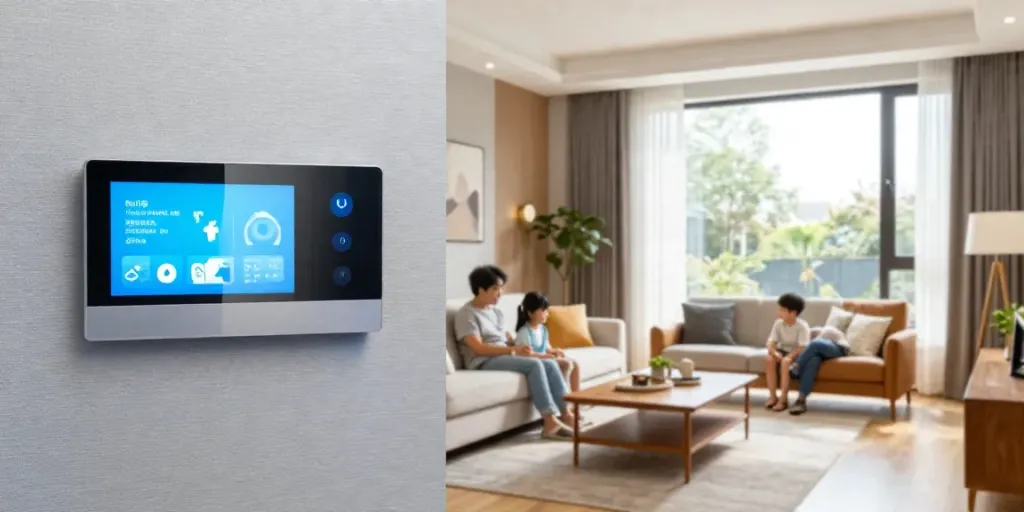
Smart home automation refers to the use of technology to control various aspects of a home remotely. This can include lighting, heating, security, and even appliances. The rise of the Internet of Things (IoT) has been a game changer, allowing devices to communicate with one another and be managed from a single interface, often a smartphone or tablet. This integration helps streamline daily activities and enhances the overall quality of life.
Key Components of Smart Homes
There are several critical elements that make up a smart home:
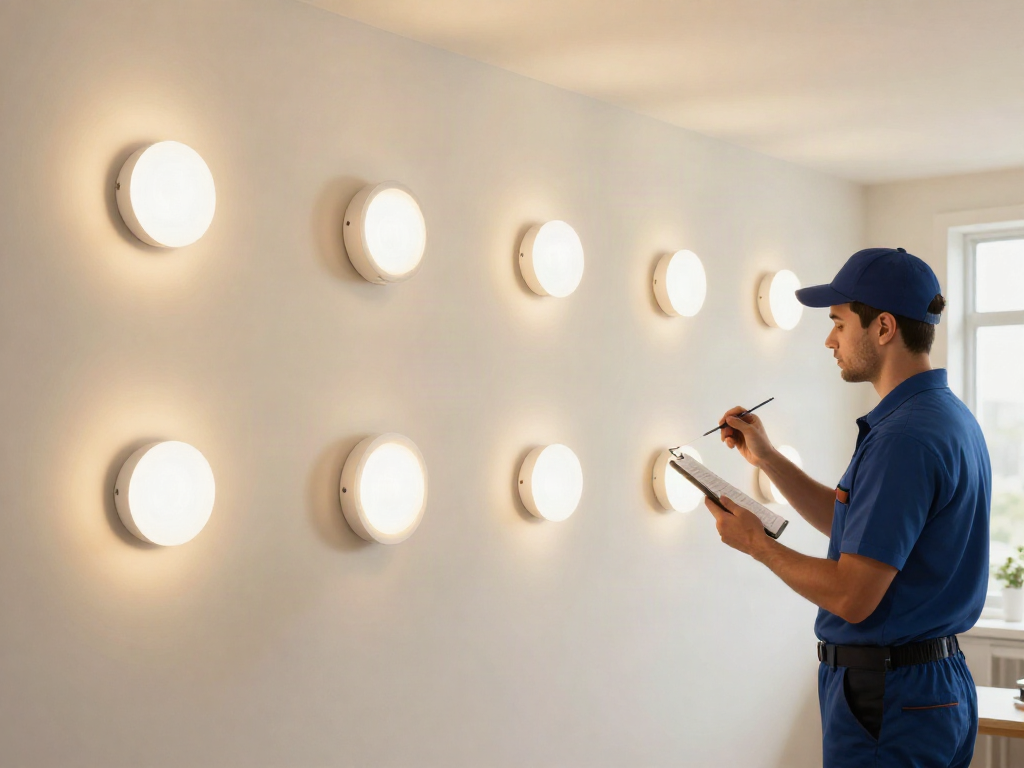
- Smart Lighting: Automated lighting systems that can be controlled remotely and programmed for different scenarios.
- Heating and Cooling Systems: Thermostats that learn your preferences and adjust automatically for energy efficiency.
- Security Systems: Smart locks, cameras, and alarms that provide monitoring and alerts directly to your smartphone.
- Smart Appliances: Devices like refrigerators and ovens that can be controlled and monitored from anywhere, ensuring convenience and efficiency.
How جهان اسمارت Enhances Home Automation
جهان اسمارت has carved a niche by providing advanced automation solutions that are user-friendly and highly adaptable. Their systems are designed to integrate seamlessly with existing infrastructure, whether wired or wireless, ensuring that you can enjoy the benefits of smart technology without extensive renovations. This adaptability is essential for homeowners looking to modernize their living spaces efficiently.
Benefits of Smart Homes for Consumers
Energy Efficiency and Cost Savings
One of the primary benefits of implementing smart home technology is energy efficiency. Smart systems can optimize energy use by adapting to your lifestyle. For instance, smart thermostats can learn when you're home or away and adjust heating and cooling accordingly, potentially lowering your energy bills significantly.
Convenience and Lifestyle Improvements
Automation greatly enhances convenience, allowing homeowners to control various aspects of their home from their mobile devices. Imagine adjusting the thermostat or turning off lights from the comfort of your bed. This level of control not only simplifies life but also contributes to a more comfortable living environment.
Home Security Advantages
Smart home systems provide enhanced security features that traditional systems cannot match. With smart cameras, locks, and alarms, homeowners can monitor their properties in real-time from anywhere. Notifications about unusual activities can alert homeowners immediately, providing peace of mind whether at home or away.
Implementing Smart Technologies in Your Home
Choosing Smart Devices for Your Needs
When selecting smart devices, it’s crucial to consider your specific needs and lifestyle. Evaluate what aspects of your home you want to automate, whether it’s security, efficiency, or convenience. Compatibility with existing systems and devices is also key; ensuring that all components can work together will help avoid frustration down the line.
Step-by-Step Guide to Installation
Here's a simple guide to help you navigate the installation process:
- Assess Your Needs: Identify what you want to automate and the specific products that meet those needs.
- Check Compatibility: Ensure that the new devices work with your current systems.
- Download Necessary Apps: Most smart devices are controlled via apps, so download what is needed before installation.
- Follow Manufacturer Instructions: Adhere to installation guidelines provided with each device for optimal performance.
- Test the System: After installation, test all devices to ensure they function correctly and are properly integrated.
Common Challenges and Solutions
Implementing smart technology may come with its challenges, such as connectivity issues or compatibility concerns. A common solution is ensuring a strong Wi-Fi connection throughout your home, as most smart devices rely on this for functionality. Also, consulting with professionals like those at جهان اسمارت can provide additional insights and solutions tailored to your needs.
Trends in Smart Home Technology for 2026
Emerging Technologies Impacting Smart Homes
As we look towards 2026, several emerging technologies are set to reshape the smart home landscape. These include advancements in artificial intelligence (AI) and machine learning, which will enable even smarter systems capable of predictive analytics regarding energy use and personal preferences.
Integration of AI in Home Automation
AI integration is poised to make smart homes more intuitive. Systems will learn from user behaviors and automate tasks accordingly. For example, lights could dim automatically based on the time of day or when detecting that no one is in the room, contributing to energy savings while enhancing user experience.
Future of Home Security Systems
The future of home security will likely see the incorporation of biometric systems for entry and advanced monitoring capabilities using AI systems. These innovations will not only enhance security but also provide homeowners with a more personalized experience, allowing for tailored alerts based on individual preferences and situations.
Real-World Applications and Case Studies
Successful Implementations of جهان اسمارت
Numerous successful implementations of smart home technology can be attributed to جهان اسمارت. For example, clients have reported significant improvements in energy efficiency and convenience after integrating their smart systems, which combine various devices into a cohesive unit that operates seamlessly.
Customer Testimonials and Experiences
Feedback from customers highlights the transformative impact that smart technologies have had on their lives. Many have praised the ease of use and the substantial savings on energy costs, viewing smart technology as a worthwhile investment that enhances both the quality of their home life and its value.
Comparing Traditional Homes vs. Smart Homes
The contrast between traditional homes and smart homes is stark. Traditional homes rely on manual systems that are often inefficient and inconvenient. In contrast, smart homes offer automation, increased security, and significant energy savings, making them not only a modern choice but a practical one for the future.
What are the advantages of smart homes?
Smart homes provide numerous advantages, including enhanced security, energy efficiency, and improved convenience. These benefits contribute to a better quality of life and can lead to substantial cost savings over time.
How does smart home automation work?
Smart home automation operates through interconnected devices that communicate with each other via a central hub or application. This allows homeowners to control various aspects of their homes remotely, often through smartphones or voice commands.
What should I consider when choosing smart devices?
Consider factors such as compatibility with existing systems, ease of use, customer support, and the specific features that meet your needs when selecting smart devices.
Are there any security concerns with smart home devices?
While smart home devices enhance security, they can also present vulnerabilities. It's essential to use strong passwords, keep software updated, and choose devices from reputable brands to mitigate potential risks.
What future trends should I anticipate for smart homes?
Expect continued advancements in AI integration, the development of more efficient energy solutions, and enhanced security features in smart home technology as we move into the future.