The Principles of Reggio Emilia Preschool Singapore
The Reggio Emilia approach is an innovative and inspiring framework for early childhood education that has gained attention worldwide, including in Singapore. Its focus on child-led learning and development allows children to explore their interests in a supportive environment. As parents consider options for their child's education, they may find that Reggio Emilia Preschool Singapore provides comprehensive insights into the multifaceted nature of learning and growth during the formative years.
What is the Reggio Emilia Approach?
Originating from the town of Reggio Emilia in Northern Italy, the Reggio Emilia approach prioritizes the child as the protagonist of their own learning journey. It recognizes children as capable and competent individuals who possess inherent curiosity and creativity. This philosophy is grounded in the belief that children flourish in a stimulating and communicative environment where they can express their ideas and emotions through various forms, such as art, music, and play.
Core Principles of the Reggio Emilia Philosophy
- Child-Centered Learning: The approach emphasizes the interests and needs of the child, allowing them to guide their learning experiences.
- Collaboration: Learning is seen as a social process; thus, collaboration among peers, educators, and parents is integral to the educational experience.
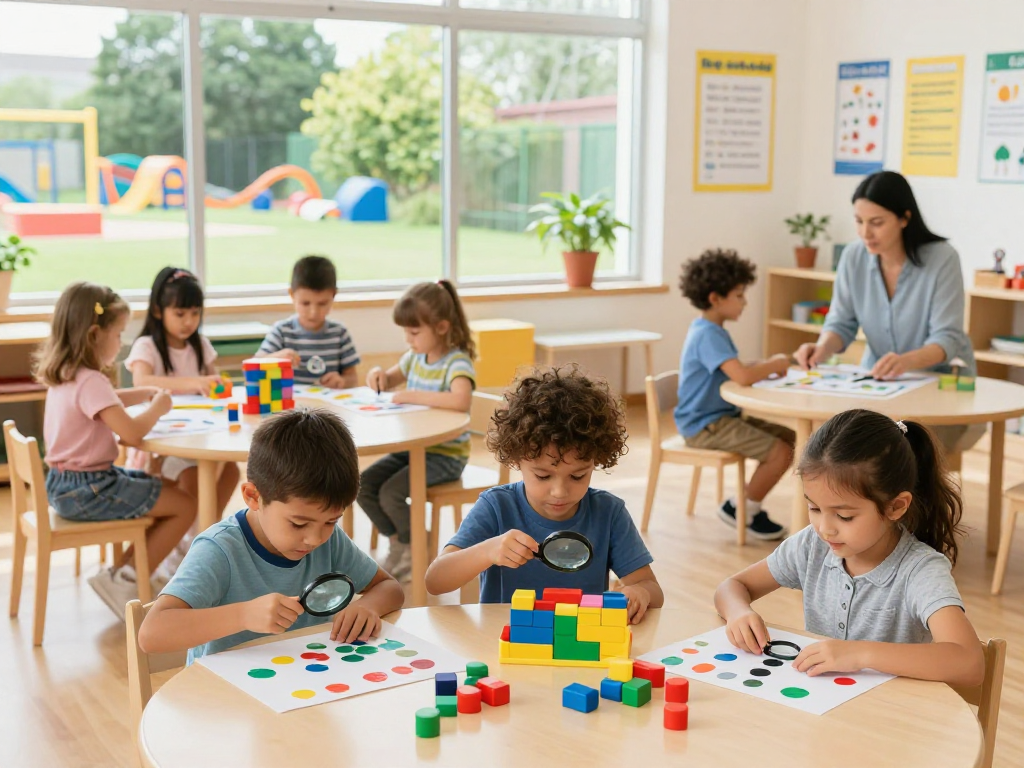
- Environment as a Teacher: The physical environment is designed to inspire curiosity and exploration, acting as a "third teacher" alongside educators and parents.
- Documentation: Teachers document children's thoughts, ideas, and progress, using this information to inform the curriculum and encourage reflection.
- Holistic Development: The approach nurtures all aspects of a child’s development – emotional, social, cognitive, and physical – ensuring a well-rounded education.
How to Foster Child-Led Learning
To effectively foster child-led learning, educators must create an environment that encourages exploration and inquiry. This involves providing diverse materials, resources, and experiences that stimulate children's curiosity. Active involvement from parents is crucial in this process, as parents can reinforce learning at home through meaningful discussions and shared experiences. By respecting children’s ideas and interests, educators can help them take ownership of their learning journeys.
The Benefits of Choosing a Reggio Emilia Preschool
Holistic Development: Mind, Body, and Spirit
The Reggio Emilia approach facilitates holistic development by recognizing the interconnectedness of various developmental domains. Children are encouraged to explore not only cognitive skills but also social-emotional abilities and physical health. By engaging in activities that stimulate their mind, body, and spirit, children become well-rounded individuals prepared for future challenges.
Encouraging Creativity and Confidence
Creativity is a cornerstone of the Reggio Emilia approach. Children are given opportunities to express themselves through art, music, and dramatic play, which fosters their ability to think critically and innovatively. This creative freedom enhances their confidence, as they learn to trust their instincts and ideas. Moreover, the supportive environment cultivates self-esteem, empowering children to view themselves as capable learners.
Building Social Skills Through Collaboration
Collaboration is integral to the Reggio Emilia philosophy, helping children develop essential social skills. Through group projects, discussions, and cooperative learning experiences, children learn to communicate effectively, listen to others, and work as part of a team. These interactions not only enhance their social abilities but also foster respect for diverse perspectives and backgrounds.
What Makes Pegasus International Preschool Stand Out?
Unique Curriculum Tailored for Individual Needs
At Pegasus International Preschool, the curriculum is crafted to meet the unique needs of each child while aligning with the principles of the Reggio Emilia philosophy. This personalized approach ensures that every child’s interests and learning styles are addressed, allowing for a more effective and engaging educational experience.
Diverse Learning Environment and Cultural Inclusivity
As a trilingual institution, Pegasus embraces cultural diversity, providing children with exposure to multiple languages, including English, Mandarin, and Japanese. This inclusive environment fosters appreciation for different cultures, encouraging children to become adaptable and empathetic global citizens.
Qualified Educators with Expertise in Child Development
Pegasus boasts a dedicated team of highly qualified educators who are not only knowledgeable in child development but also passionate about nurturing young minds. With a low teacher-to-child ratio, the staff can provide personalized attention, ensuring that each child’s individual needs are met as they engage in inquiry-based learning.
Implementing Reggio Emilia Techniques in Everyday Learning
Creating an Inquiry-Based Learning Environment
Creating an inquiry-based learning environment requires thoughtful planning and resource allocation. Educators at Pegasus utilize natural materials, open-ended questions, and hands-on activities that stimulate curiosity and engagement. By allowing children to explore and inquire, teachers facilitate deeper understanding and retention of knowledge.
Engaging Parents in the Learning Process
Parents are encouraged to be active participants in their child’s education at Pegasus. Through regular communication, workshops, and family events, parents can learn how to support their child’s learning at home. By forging strong partnerships between parents and educators, children benefit from a consistent and united approach to their development.
Utilizing Natural Resources for Learning Activities
Pegasus integrates natural resources into learning activities, allowing children to connect with their surroundings. Outdoor play, nature walks, and gardening projects provide sensory experiences that enhance learning across various domains. This approach not only nurtures curiosity about the natural world but also promotes environmental awareness and stewardship.
Looking Ahead: The Future of Preschool Education in Singapore
Predictions for Childhood Education Trends by 2026
As we look to the future of preschool education in Singapore, several trends are likely to shape the landscape. Emphasis on emotional intelligence, social skills, and environmental education will continue to grow, with parents increasingly seeking programs that focus on holistic development.
Role of Technology in Holistic Learning
Technology will play a pivotal role in enhancing learning experiences in preschools. With advancements in digital tools and platforms, educators will be able to create more engaging and interactive learning environments that complement traditional teaching methods. However, maintaining a balance between screen time and hands-on experiences will remain essential.
Building Lifelong Learners: Skills for the Future
Preparing children for the future involves equipping them with skills that extend beyond academic knowledge. Critical thinking, creativity, adaptability, and collaboration will be vital in a rapidly changing world. The Reggio Emilia approach aligns with this goal, cultivating a passion for lifelong learning and personal growth in children.