Understanding Esophageal Cancer: Causes and Risk Factors
Esophageal cancer affects the esophagus, which is the tube that carries food from the throat to the stomach. Understanding the underlying causes and risk factors associated with this disease is crucial for early detection and effective treatment. In Abu Dhabi, the Cleveland Clinic's comprehensive approach to Esophageal cancer treatment in Abu Dhabi is founded upon detailed research and expert patient management, ensuring that individuals receive personalized care tailored to their unique health profiles.
What is Esophageal Cancer?
Esophageal cancer occurs when the cells lining the esophagus undergo abnormal changes, leading to malignant tumor formation. There are primarily two types of esophageal cancer: squamous cell carcinoma, which originates from the flat cells lining the esophagus, and adenocarcinoma, which begins in the mucus-secreting glands. Early diagnosis significantly influences the prognosis, making awareness of risk factors and symptoms essential.
Identify Your Risk Factors
Several factors can increase the likelihood of developing esophageal cancer, including:
- Tobacco Use: Smoking and chewing tobacco are among the leading risk factors.
- Alcohol Consumption: Heavy drinking has been linked to a higher risk.
- Obesity: Excess body weight is associated with an increased risk, particularly for adenocarcinoma.
- Gastroesophageal Reflux Disease (GERD): Chronic acid reflux can lead to Barrett's esophagus, a precursor to esophageal cancer.
- Age: The risk increases with age, particularly for those over 55 years.
- Gender: Men are more likely than women to develop this type of cancer.
Signs and Symptoms to Watch For
Recognizing the signs and symptoms of esophageal cancer early can be lifesaving. Common indicators include:
- Difficulty swallowing (dysphagia)
- Persistent chest pain or discomfort
- Unexplained weight loss
- Persistent cough or hoarseness
- Black or tarry stools, indicating bleeding
- Indigestion or heartburn
Innovative Treatment Options for Esophageal Cancer
Once diagnosed, patients have access to a variety of innovative treatment solutions tailored to their specific cancer type, stage, and overall health. The Cleveland Clinic Abu Dhabi is committed to providing cutting-edge therapies that not only focus on eradicating cancer but also emphasize the recovery of the patient's quality of life.
Personalized Treatment Plans
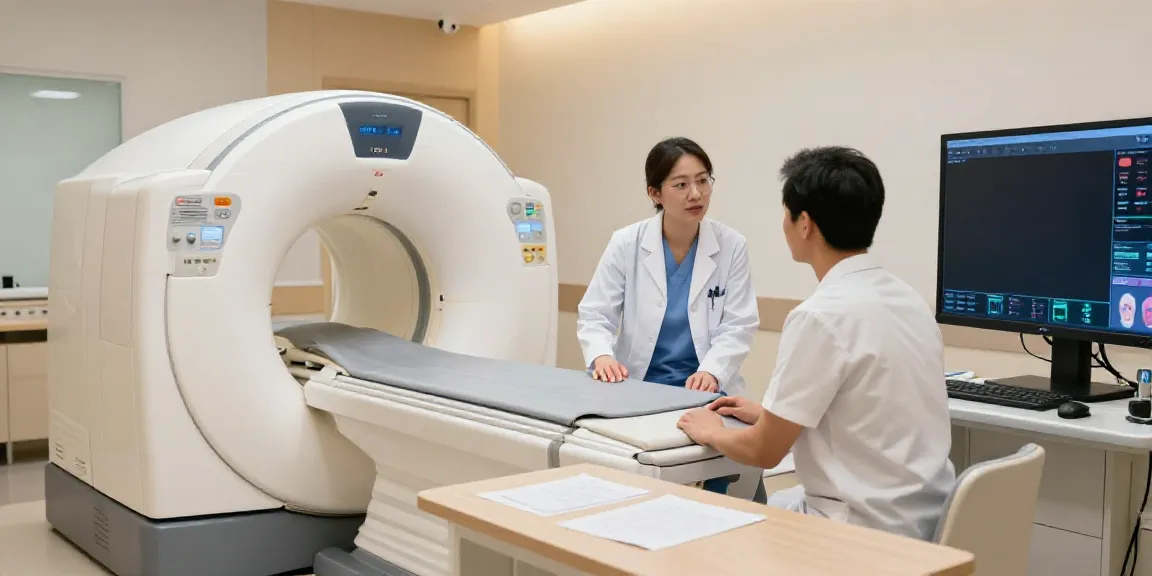
Every patient's treatment journey begins with a comprehensive evaluation. This includes imaging tests, endoscopy, and biopsy to ascertain the exact nature and stage of the cancer. Based on this information, oncologists create personalized treatment plans that may include:
- Surgery (esophagectomy)
- Radiation therapy
- Chemotherapy
- Targeted therapy
Advanced Surgical Techniques Available
One of the most effective treatments for esophageal cancer is surgical intervention. Techniques such as minimally invasive esophagectomy allow for quicker recovery times and reduced hospital stays. Surgeons at Cleveland Clinic Abu Dhabi utilize advanced technologies and techniques that minimize trauma while enhancing cancer removal efficiency.
Integrative Therapies Supporting Recovery
In addition to traditional treatments, the Esophageal and Stomach Cancer Program incorporates integrative therapies, including nutritional support and psychological counseling. These services are designed to assist patients in managing side effects and emotional well-being during their treatment journey.
Importance of Multidisciplinary Care in Abu Dhabi
Effective cancer treatment requires a collaborative effort among various healthcare providers. At Cleveland Clinic Abu Dhabi, a multidisciplinary approach is employed, where specialists from different fields work together to ensure comprehensive care across the patient's treatment journey.
Collaborative Approach to Patient Management
The Esophageal and Stomach Cancer Program brings together gastroenterologists, oncologists, surgeons, radiologists, and supportive service professionals. This team collaborates to discuss treatment plans during weekly tumor board meetings, optimizing patient management strategies and ensuring that every aspect of a patient's health is considered.
Role of Supportive Services in Treatment
Support services are an integral part of cancer care. The clinic offers access to social workers, dieticians, and pain management specialists, all dedicated to enhancing the patient's experience and addressing the emotional and physical aspects of their treatment.
Weekly Tumor Board Reviews
Each patient's case is discussed in detail during weekly tumor board reviews, where specialists evaluate clinical data and propose personalized treatment plans. This ensures that patients receive the most informed and comprehensive care possible, based on the latest research and advancements in cancer treatment.
Preventive Strategies and Early Detection
Preventive measures and early detection are crucial in reducing the incidence and improving the outcomes of esophageal cancer. Individuals at risk are encouraged to engage in regular screening, which can lead to early diagnosis and better prognoses.
Screening Recommendations for High-Risk Individuals
People with a family history of cancer, persistent GERD, or other risk factors should consult their healthcare professionals about screening options. Procedures such as endoscopy can help visualize the esophagus and detect early signs of cancer.
How Lifestyle Changes Can Enhance Prevention
Making lifestyle changes can significantly lower the risk of developing esophageal cancer. Key adjustments include:
- Quitting smoking
- Limiting alcohol intake
- Maintaining a healthy weight
- Eating a balanced diet rich in fruits, vegetables, and whole grains
- Regular exercise
Research and Innovations in Screening Techniques
Advancements in technology are leading to new and improved methods for early detection of esophageal cancer. Techniques such as liquid biopsies are under research, aiming to provide non-invasive options for monitoring potential cancer markers in the blood.
Patient Support: Resources and Community
Patients diagnosed with esophageal cancer find comfort and strength within support networks that share similar experiences. Cleveland Clinic Abu Dhabi fosters a welcoming environment that encourages patients to connect with one another and access resources designed to aid in their recovery.
Connecting with Support Networks
Support groups provide essential emotional support and practical advice for patients and their families. Engaging in these networks can improve mental health and provide a sense of community during challenging times.
Patient Success Stories to Inspire
Hearing from others who have successfully navigated their cancer journey can be incredibly motivating. Cleveland Clinic Abu Dhabi shares inspiring patient stories that highlight resilience and recovery, reinforcing the importance of seeking timely treatment and support.
How to Navigate Insurance Options for Treatment
Understanding insurance coverage can be a daunting task for patients seeking treatment for esophageal cancer. The clinic employs dedicated staff to assist patients in navigating their insurance options, ensuring they receive the necessary financial support for their care.
What is the prognosis for esophageal cancer?
The prognosis for esophageal cancer varies greatly depending on the stage at diagnosis. Early-stage cancer can have a favorable outcome, while advanced stages may present greater challenges. Regular check-ups and prompt treatment are vital for improving survival rates.
Can lifestyle changes impact esophageal cancer recovery?
Yes, lifestyle changes can positively influence recovery following esophageal cancer treatment. Maintaining a healthy diet, engaging in physical activity, and managing stress can enhance overall well-being and potentially reduce the risk of recurrence.
What cutting-edge treatments are available in Abu Dhabi?
Abu Dhabi is home to advanced cancer therapy options, including targeted therapies and immunotherapy. These innovative treatments are designed to tailor interventions to individual genetic profiles, enhancing effectiveness while minimizing side effects.
How can I find support groups for esophageal cancer?
Support groups can be found through hospitals, cancer organizations, and online platforms. Connecting with local cancer care facilities can provide access to resources and community networks dedicated to those navigating esophageal cancer.
What should I expect during my first consultation?
During your first consultation, expect a thorough assessment of your medical history, symptoms, and any necessary preliminary tests. Physicians will guide you through the potential diagnostic and treatment options tailored to your needs.