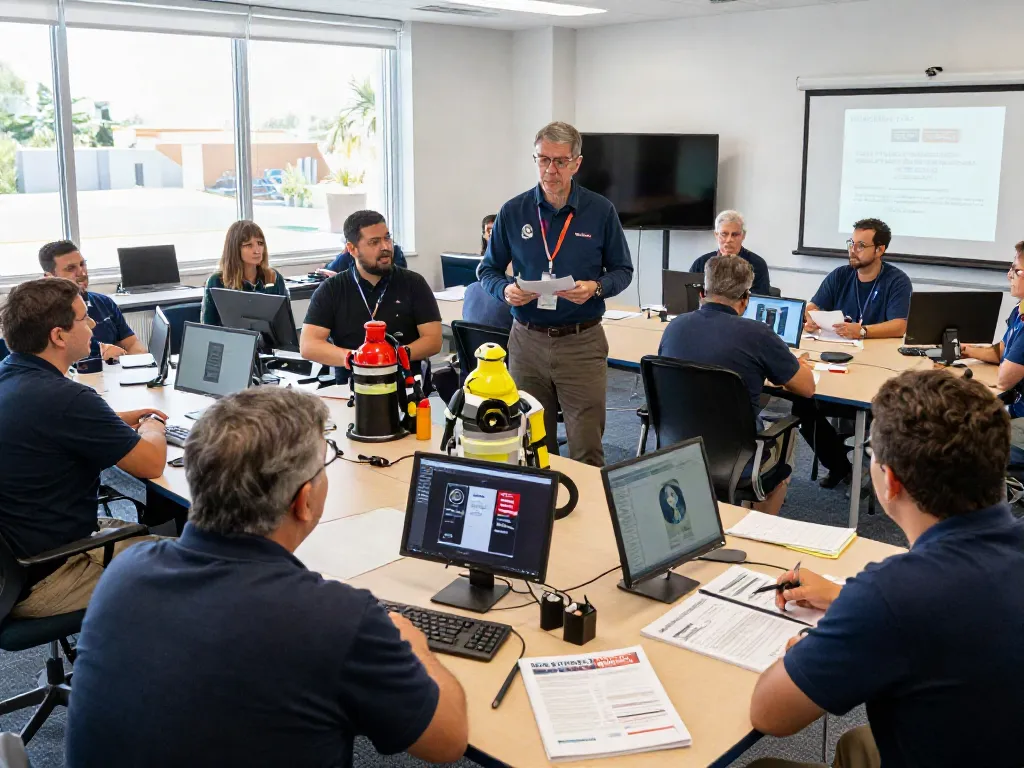
Understanding NFPA Certification Training
The NFPA (National Fire Protection Association) Certification Training is pivotal in enhancing fire safety standards across various industries. This training equips professionals with the knowledge and practical skills necessary to implement effective fire protection measures and comply with safety regulations. As fire hazards continue to evolve, ensuring that staff are trained under internationally recognized guidelines is paramount. The NFPA Certification Training focuses on comprehensive learning and real-world applications, preparing participants to tackle the complexities associated with fire safety and risk management.
What is NFPA Certification Training?
NFPA Certification Training consists of various courses aimed at educating professionals on fire prevention, electrical safety, and hazardous materials handling. The NFPA is a globally recognized organization that develops codes and standards for fire safety. Its certification programs are designed to validate the knowledge and skills of participants, ensuring they can respond effectively to emergencies and implement safety protocols. By completing this training, individuals not only enhance their qualifications but also contribute significantly to reducing risks associated with fire hazards in the workplace.
Importance of NFPA Certifications in Safety Standards
The importance of NFPA certifications cannot be overstated. They serve as a benchmark for safety knowledge and compliance within the industry. Certification from NFPA demonstrates a commitment to safety, professionalism, and continuous improvement. Organizations that prioritize NFPA training see enhanced operational safety, better risk management, and increased employee confidence in handling safety-related issues. Furthermore, maintaining compliance with NFPA standards helps organizations avoid legal repercussions and potential financial losses associated with fire incidents.
Overview of NFPA Training Programs and Courses
NFPA offers a range of training programs tailored to meet the diverse needs of various industries. Courses include:
- Fire Protection Systems: Understanding the installation, maintenance, and management of fire protection systems.
- Electrical Safety: Training on best practices for ensuring safety around electrical systems and equipment.
- Building and Life Safety: Courses focused on life safety codes and building safety measures.
- Industrial and Chemical Hazards: Addressing specific risks associated with industrial settings and chemical handling.
These programs are delivered by qualified instructors with extensive industry experience, ensuring that participants gain practical insights they can apply in their work environments.
Benefits of NFPA Certification Training
Enhancing Workplace Safety and Compliance
One of the primary benefits of NFPA Certification Training is its direct impact on workplace safety. By training employees in recognized safety standards, organizations can significantly reduce the likelihood of accidents and injuries. The comprehensive nature of NFPA training means that all critical areas are covered, including fire prevention strategies, emergency response protocols, and regulatory compliance. This proactive approach not only protects employees but also enhances organizational reputation and trust among clients and stakeholders.
Career Advancement Opportunities through Certification
Obtaining NFPA certification can open numerous career advancement opportunities for professionals in various fields. Certification serves as proof of expertise and commitment to safety, making candidates more attractive to employers. Many organizations prioritize hiring certified individuals, particularly in industries such as construction, manufacturing, and healthcare, where safety is paramount. Professionals can expect to see improved job prospects, potential salary increases, and greater responsibilities within their roles.
Building Stronger Fire Protection Systems
Effective fire protection is essential for any organization, and NFPA Certification Training equips professionals with the tools to build and manage robust fire protection systems. Understanding NFPA codes and standards enables organizations to create environments that significantly minimize fire risks. With trained personnel capable of implementing these standards, businesses can ensure greater safety for their employees and assets, ultimately leading to more resilient operations.
Delivery Methods for NFPA Certification Training
On-Site Training vs. Online Training Options
NFPA Certification Training offers flexible delivery methods to accommodate different learning preferences and organizational needs. On-site training allows instructors to tailor sessions specifically to the unique requirements of the organization, fostering a more engaging and relevant learning experience. Alternatively, online training options provide convenience, allowing participants to learn at their own pace from any location. This flexibility ensures that organizations can choose the training method that best fits their schedules and operational demands.
Group Training Benefits for Organizations
Group training presents several advantages for organizations looking to implement NFPA Certification Training. Training multiple employees at once can lead to cost savings, as many training providers offer discounts for larger groups. Additionally, group training fosters team cohesion, as employees undergo the learning process together and can discuss and collaborate on safety practices. This shared experience can enhance communication and reinforce a safety culture within the organization, leading to more effective implementation of safety measures.
Customizing Training Content for Specific Needs
Another significant benefit of NFPA Certification Training is the ability to customize content to meet the specific needs of an organization. By tailoring training programs, businesses can ensure that the material is relevant to their operations and the specific hazards they face. This customization enhances engagement and ensures that employees receive training that is directly applicable to their roles, thereby maximizing the investment in training and improving overall safety outcomes.
How to Prepare for NFPA Certification Exams
Study Strategies and Resources for Candidates
Preparing for NFPA certification exams requires a strategic approach. Candidates should begin by thoroughly reviewing the relevant NFPA standards and codes applicable to their certification track. Utilizing study guides, joining study groups, and participating in review courses can significantly enhance understanding. Additionally, leveraging online resources, such as practice exams and webinars, can provide valuable insights and help candidates familiarize themselves with the exam format.
Understanding Exam Formats and Requirements
Each NFPA certification has specific exam formats and requirements that candidates must understand. Generally, NFPA exams comprise multiple-choice questions assessing the participant's knowledge of fire safety protocols and practices. Understanding the exam format beforehand can help candidates develop effective study habits and strategies. Familiarization with exam logistics, such as time limits and question structures, is crucial for success.
Real-World Scenarios for Practical Exam Preparation
Incorporating real-world scenarios into study preparations can greatly benefit candidates. Engaging with case studies and practical examples helps solidify understanding and application of concepts. Practicing responses to hypothetical scenarios simulates the challenges faced in the field, improving problem-solving skills and readiness for the exam. This hands-on approach aligns with the practical focus of NFPA training, ensuring candidates can effectively address safety issues in real-time situations.
Future Trends in NFPA Certification Training
Emerging Technologies in Fire Safety Training
The landscape of fire safety training is continually evolving, with emerging technologies paving the way for innovative educational methods. Virtual reality (VR) and augmented reality (AR) applications are being increasingly utilized in training programs, offering immersive experiences that enhance learning. These technologies allow participants to engage in realistic simulations without the risks associated with live training, thus improving retention and understanding of critical safety practices.
Changes in NFPA Standards and Regulations in 2026
As we look toward 2026, changes in NFPA standards and regulations are anticipated as a response to evolving safety challenges. Organizations must stay informed about these changes to ensure compliance and effective safety measures. Continuous updates from the NFPA will provide guidance on adapting to new regulations, emphasizing the importance of ongoing education and certification in maintaining industry standards.
Anticipating Industry Needs for Professionals
As industries face increasingly complex fire safety challenges, professionals with NFPA certifications will be in high demand. Organizations are recognizing the importance of hiring well-trained personnel capable of managing safety protocols and responding effectively to emergencies. NFPA Certification Training prepares professionals not only for current needs but also for anticipated future challenges, making them invaluable assets to their organizations.
How do I become NFPA certified?
To become NFPA certified, individuals must select the appropriate certification program based on their professional roles and aspirations. This involves completing the requisite training courses and passing the associated examinations. Upon successful completion, candidates receive their certification, which is typically valid for a specific duration, requiring periodic renewal through additional training or recertification exams.
Are NFPA certifications worth it?
Yes, NFPA certifications are widely regarded as valuable credentials within the fire safety industry. They validate a professional’s expertise and commitment to safety, often leading to improved job prospects and career advancement opportunities. Organizations that employ certified professionals also benefit from enhanced safety measures and compliance with essential regulations.
How long does it take to get NFPA certification?
The time required to obtain NFPA certification varies depending on the specific program and the candidate's pace. Generally, candidates can expect to complete the necessary training within a few weeks to several months, depending on their prior knowledge and the complexity of the certification. Preparation for the exam also plays a critical role in determining the overall timeline.
How much does NFPA certification cost?
The cost of NFPA certification varies based on the specific training program selected. Factors influencing the price include the course content, delivery method (on-site or online), and any materials required for the training. Organizations often seek group training options to reduce costs, making it a feasible investment in workforce safety.
What resources are recommended for NFPA exam preparation?
To prepare effectively for NFPA exams, candidates should utilize a variety of resources, including official NFPA publications, study guides, and online courses. Additionally, joining professional networks or study groups can provide support and additional materials. Engaging with practical scenarios and practice exams also enhances readiness for the certification process.