Understanding Water Reclaim Systems
In an era where sustainable practices are more crucial than ever, the implementation of water reclaim systems has emerged as a vital solution for industries and municipalities alike. A water reclaim system not only addresses water scarcity issues but also contributes to environmental preservation by reducing wastewater discharge into natural water bodies. These systems are designed to recycle and purify various types of wastewater, enabling the reuse of treated water for multiple applications, such as irrigation, industrial processes, and even potable reuse in some scenarios. When exploring options, Water Reclaim System solutions provide comprehensive insights into the modern technologies and methodologies that facilitate this essential process.
What is a Water Reclaim System?
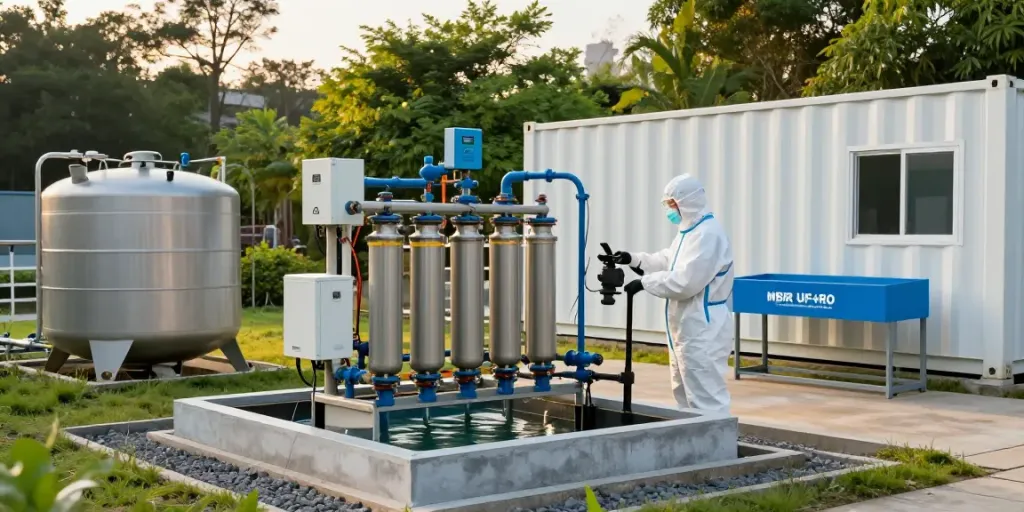
A water reclaim system is a sophisticated setup designed to collect, treat, and recycle wastewater for reuse. This system utilizes various technologies to convert effluent water into high-quality reusable water that can meet safety and environmental standards. The treatment processes can include filtration techniques, biological treatment methods, and advanced purification processes like reverse osmosis (RO) and ultrafiltration (UF). As a result, reclaimed water can be utilized in a variety of applications, helping to alleviate pressure on natural water resources.
Importance of Water Reclamation for Sustainability
Water reclamation plays a crucial role in achieving sustainability goals, particularly in regions facing water scarcity or experiencing significant drought conditions. By recycling wastewater, organizations can significantly reduce their freshwater consumption, leading to cost savings and enhanced resource efficiency. Furthermore, the treatment of wastewater before it reaches natural water bodies minimizes environmental pollution, safeguarding ecosystems and promoting biodiversity. This responsible approach aligns with global sustainable development goals, inspiring industries to adopt better practices for managing this precious resource.
How Water Reclaim Systems Work: Key Technologies
Water reclaim systems employ a variety of advanced technologies to ensure effective treatment of wastewater. Some of the key processes include:
- Membrane Bioreactors (MBR): This technology combines biological treatment with membrane filtration, allowing for the separation of treated water from solids and bacteria, resulting in high-quality effluent.
- Ultrafiltration (UF): UF is a pressure-driven process that removes colloidal matter, bacteria, and other particles from water, providing an additional layer of purification.
- Reverse Osmosis (RO): Utilizing a semipermeable membrane, RO effectively removes dissolved solids, ensuring that reclaimed water meets stringent quality standards.
Benefits of Implementing a Water Reclaim System
Adopting a water reclaim system offers numerous advantages that extend beyond compliance with regulations. Organizations can experience:
Cost Savings and Resource Efficiency
Implementing a water reclaim system can lead to substantial cost savings by reducing the dependency on freshwater sources and minimizing wastewater disposal fees. Companies can significantly cut down on operational costs related to water procurement while also benefitting from lower utility bills. Additionally, a well-designed system can optimize resource use, enabling businesses to allocate saved resources towards other critical operational needs.
Environmental Impact and Compliance
Utilizing reclaimed water not only complies with environmental regulations but also contributes to reducing the carbon footprint of organizations. By minimizing water extraction from natural sources and decreasing the volume of wastewater directed to treatment plants, companies play a vital role in protecting local ecosystems. This commitment to sustainability can enhance a company's public image, attracting eco-conscious customers and investors.
Enhancing Operational Flexibility Across Industries
Water reclaim systems are versatile and can be tailored to meet specific needs across various sectors like construction, agriculture, and industrial manufacturing. Their modular nature allows for easy scaling, whether integrating with existing operations or being deployed as standalone units. This adaptability ensures that companies can respond effectively to fluctuating water requirements and ever-evolving regulatory frameworks.
Choosing the Right Water Reclaim System for Your Needs
Selecting the appropriate water reclaim system is essential for optimizing performance and achieving desired outcomes. Here's how to choose the right solution for your organization:
Assessing Site Requirements and Specifications
Before implementing a water reclaim system, it's crucial to evaluate the specific site requirements. This includes understanding the available space, existing infrastructure, local regulations, and the type of wastewater produced. Detailed assessments help ensure the selected system meets the operational demands and enhances efficiency.
Comparing Different Technologies: MBR, UF, and RO
When comparing technologies, consider the treatment goals and the specific contaminants in your wastewater. MBR systems are excellent for high-quality effluent but may require more maintenance. Conversely, UF systems are effective for removing larger particles and bacteria, while RO offers the highest level of purification. Assessing the cost-benefit of each technology will aid in making an informed decision.
Evaluating Capacity and Scalability Options
Capacity and scalability should be key factors in choosing a water reclaim system. Organizations should consider their current water needs and project future growth. Implementing a system that can easily scale ensures that water recycling capabilities can match increasing operational demands, providing long-term value and efficiency.
Installation Process: Setting Up Your Water Reclaim System
The installation of a water reclaim system involves several steps, and careful planning is essential to ensure a successful setup.
Step-by-Step Guide to Installation
The installation process generally involves the following steps:
- Site Preparation: Clear the installation area and ensure all utilities are accessible.
- Infrastructure Setup: Install necessary infrastructure, including piping and electrical connections.
- System Assembly: Assemble the components of the water reclaim system according to the manufacturer’s guidelines.
- Testing: Carry out system checks to ensure that all components are functioning correctly.
- Commissioning: Activate the system and monitor its performance over a defined period.
Common Challenges and Solutions During Setup
During the installation process, it’s not uncommon to encounter challenges such as space constraints or unexpected site conditions. Preparing for these occurrences through thorough planning and precise evaluations can help mitigate risks. Additionally, consulting with experienced professionals can provide valuable insights into potential obstacles and their solutions.
Testing and Commissioning Your System
After installation, comprehensive testing is crucial. This includes verifying the system's ability to reach targeted treatment levels and ensuring that the reclaimed water meets safety standards. Continuous monitoring and maintenance are also essential to sustain optimal performance and adherence to regulatory requirements.
Future Trends in Water Reclamation Technology
The field of water reclamation technology is rapidly evolving, and staying informed about future trends is essential for organizations seeking to enhance their systems.
Innovations to Watch in 2026 and Beyond
As we move towards 2026, several innovations are anticipated to shape the future of water reclamation technology. These include:
- Smart Technology Integration: The use of IoT devices for real-time monitoring and management of water reclaim systems will enhance efficiency and reduce manual intervention.
- Advanced Filtration Techniques: Innovations in nanotechnology and membrane materials are expected to improve the efficacy and lifespan of filtration systems.
- Sustainable Energy Use: Increased focus on energy-efficient technologies that utilize renewable energy sources for operation.
Regulatory Changes Impacting Water Reclamation
As water scarcity becomes a pressing global issue, regulatory frameworks around water reclamation are expected to evolve. Standards for reclaimed water use will become stricter, thus motivating industries to adopt advanced technologies that ensure compliance while maximizing reuse potential.
Emerging Technologies for Enhanced Efficiency
Emerging technologies, including membrane bioreactor advancements and AI applications, will likely play a significant role in enhancing the efficiency of water reclaim systems. These developments will provide organizations with the tools needed to optimize treatment processes and improve water quality.
Frequently Asked Questions
What is a water reclaim system?A water reclaim system is designed to collect and treat wastewater for reuse, utilizing various technologies for purification.
Is reclaimed water cheaper than regular water?Generally, reclaimed water is less expensive than regular potable water, especially when considering long-term savings and reduced dependency on freshwater resources.
How much does a water recycling system cost?The cost of a water recycling system can vary widely depending on factors such as capacity, technology, and site conditions. Organizations should conduct thorough assessments to calculate potential costs and savings.
How to build a water reclamation system?Building a water reclamation system involves understanding site requirements, selecting the appropriate technology, and following a systematic installation process.