The Importance of Testing Attractiveness in Modern Beauty Standards
In today’s visual society, where social media platforms dominate our daily interactions, the concept of attractiveness has taken on new dimensions. Testing attractiveness is not just about vanity; it reflects broader societal trends and personal self-esteem. With algorithms and AI technology advancing rapidly, people can now gain insights into how they perceive beauty standards. Understanding one's attractiveness score can have implications beyond physical appearance, impacting confidence and social interactions.
Understanding Why Attractiveness Matters Today
Beauty is not merely skin deep—it influences first impressions, social relationships, and even professional opportunities. Studies show that individuals often make snap judgments about others based on appearance, affecting their perceptions and interactions. This emphasis on attractiveness often leads individuals to seek validation through various beauty tests, encouraging self-reflection and self-improvement. Furthermore, the rise of the "selfie culture" has made people more aware of their appearance, leading to increased interest in test attractiveness methods.
How Social Media Influences Attractiveness Perception
Social media platforms such as Instagram and TikTok heavily influence modern beauty standards, shaping user perceptions of what is considered attractive. With idealized images constantly circulating, individuals find themselves comparing their looks against these curated lives. This phenomenon can lead to body image issues and a perpetual desire to enhance one’s attractiveness. Consequently, understanding how social media propagates certain beauty ideals is crucial for addressing self-esteem issues associated with attractiveness evaluations.
Benefits of Knowing Your Attractiveness Score
Knowing your attractiveness score can provide a number of benefits. It can encourage self-improvement, foster confidence, and even lead to healthier lifestyle choices. Moreover, it can help people understand the subjective nature of beauty, prompting them to embrace their unique attributes. In essence, these insights can contribute to personal growth and the cultivation of inner beauty, which is increasingly recognized as valuable as physical appearance.
Popular Methods to Test Attractiveness
Given the surge in interest surrounding attractiveness evaluations, numerous tools and tests have emerged. These range from simple quizzes to sophisticated AI-powered analyses that assess facial features. Understanding the various methods available can help individuals select the most appropriate approach for their needs.
AI-Powered Solutions: Revolutionizing Attractiveness Testing
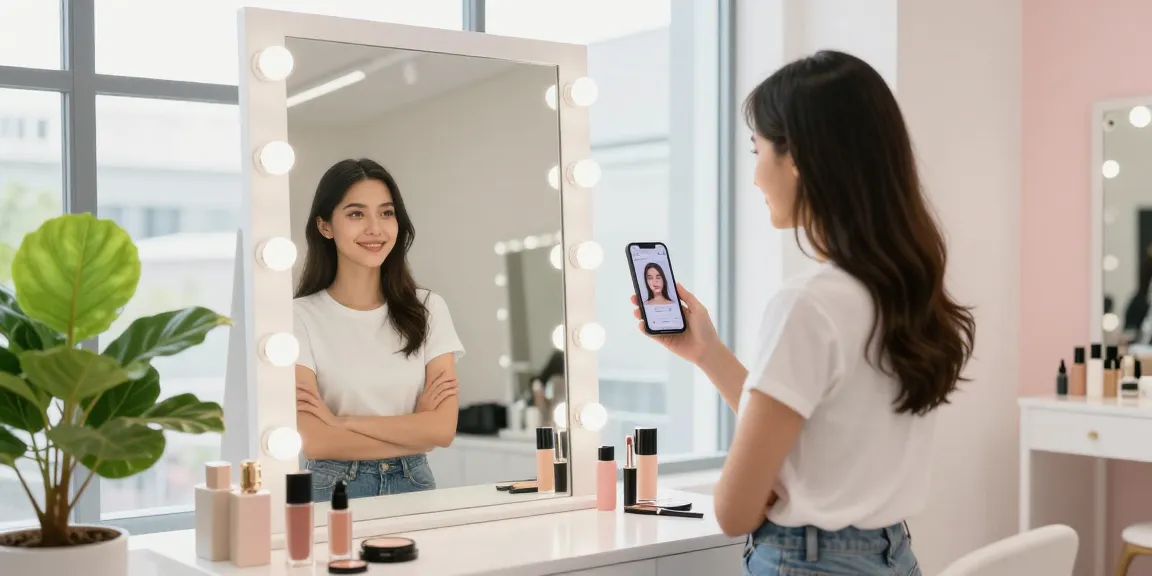
AI technology has transformed the landscape of attractiveness testing. By utilizing algorithms that assess facial symmetry, proportions, and other features, these tests provide a more data-driven approach to evaluating attractiveness. The convenience of uploading a photo and receiving instant feedback has made AI solutions popular among users seeking quick assessments of their attractiveness.
Comparative Analysis of Available Attractiveness Tests
When exploring attractiveness tests, it is essential to compare the features and methodologies of different platforms. Some may focus purely on facial symmetry, while others may incorporate complex metrics such as the golden ratio or emotional appeal. Evaluating various tools helps individuals understand which attributes resonate most with them and provides insights into their beauty profile.
Interpreting Your Attractiveness Results
Understanding and interpreting attractiveness scores requires a nuanced approach. Scores can vary significantly based on the test used and the criteria for assessment. By examining results critically, individuals can glean valuable insights, avoiding the pitfalls of taking these numbers at face value. This perspective fosters a more healthy understanding of beauty metrics and their place in personal development.
Factors Affecting Attractiveness Ratings
Attractiveness is not a fixed concept; it is influenced by a myriad of factors that can either enhance or diminish perceived beauty. By understanding these factors, individuals can better navigate their attractiveness score and make informed decisions about self-improvement.
Facial Symmetry and Its Role in Perception
Facial symmetry is often cited as a critical component of attractiveness. Research indicates that symmetrical faces are perceived as more attractive because they are associated with genetic health and developmental stability. Those looking to enhance their attractiveness may focus on skincare and grooming routines that promote a balanced appearance.
Understanding the Golden Ratio in Beauty
The concept of the golden ratio—approximately 1.618—has long been associated with beauty across different cultures. This mathematical principle can be observed in famous artworks and architecture, as well as in human faces. Attractiveness tests that incorporate the golden ratio often evaluate the proportions of facial features, offering insights into how closely one aligns with this timeless standard.
Canthal Tilt: A Key Indicator of Attractiveness
Canthal tilt, the angle of the eyes in relation to the horizontal, is another critical indicator of attractiveness. A slightly upward tilt is generally associated with beauty, contributing to an overall youthful appearance. Understanding this metric can help individuals appreciate the subtleties of their features and focus on areas for enhancement.
How to Improve Your Attractiveness Score
Improving attractiveness is an attainable goal for anyone willing to invest time and effort. Here, we explore practical tips to enhance personal appeal, demonstrating that beauty can indeed be cultivated.
Practical Tips for Enhancing Personal Appeal
- Invest in Skincare: A regular skincare routine can improve skin health and appearance, creating a radiant glow.
- Embrace Personal Style: Finding and developing a personal style that reflects your personality can significantly impact how others perceive you.
- Maintain Good Posture: Standing tall and confident can enhance your attractiveness, drawing attention to your presence.
- Practice Good Hygiene: Simple daily habits like showering, grooming, and dental care make a substantial difference in overall attractiveness.
Skincare and Makeup Techniques That Work
When considering aesthetics, makeup and skincare can elevate one’s perceived attractiveness. Techniques such as highlighting and contouring can accentuate desirable features, while a personalized skincare regime can create a smooth canvas. Individuals should experiment to find what enhances their natural beauty while aligning with their comfort levels.
The Impact of Confidence on Attractiveness
Confidence plays a crucial role in attractiveness. Research suggests that people are often drawn to those who exude confidence, as it signals self-assuredness and charisma. Building self-esteem can involve positive affirmations, pursuing passions, and surrounding oneself with supportive individuals, all contributing to an enhanced personal allure.
Future Trends in Beauty and Attractiveness Testing
The beauty landscape is continually evolving, influenced by technology, societal shifts, and changing cultural norms. Understanding these trends can help individuals adapt and embrace the future of attractiveness testing.
Emerging Technologies in Personal Aesthetics
Innovations in technology are reshaping how we approach beauty and attractiveness. Virtual reality and augmented reality are becoming integral in beauty consultations, allowing individuals to visualize changes before committing. Similarly, advancements in AI are predicting beauty trends, providing personalized recommendations for skincare and makeup based on individual features.
Predicted Changes in Beauty Standards by 2026
As we approach 2026, beauty standards are likely to become increasingly inclusive. The rise of body positivity movements and greater representation in media are reshaping traditional views on attractiveness. Individuals are encouraged to celebrate diversity and unique features, leading to a more holistic understanding of beauty for all.
The Role of Inclusivity in Attractiveness Testing
Inclusivity is gaining prominence in attractiveness testing, with many tools now designed to celebrate a range of ethnicities and body types. By recognizing the beauty in diversity, these methods contribute to a more equitable landscape where every individual feels valued and validated in their attractiveness.
What is the best way to test my attractiveness?
The best approach for testing attractiveness combines personal reflection and technology. Engaging with various online tools, seeking feedback from friends, and remaining open to self-improvement can provide a rounded perspective on one’s attractiveness.
Is a score of 7 out of 10 considered attractive?
A score of 7 out of 10 is generally regarded as attractive. However, it is essential to remember that beauty is subjective; what one person finds attractive, another might not. Scores are merely reflections based on specific criteria and shouldn't define self-worth.
What makes an attractiveness test accurate?
Accuracy in attractiveness tests often depends on the criteria used for evaluation, such as facial symmetry, proportion, and cultural context. Tests that incorporate multiple factors tend to offer a more comprehensive view of attractiveness, leading to more reliable outcomes.
Can I improve my attractiveness score?
Yes, individuals can improve their attractiveness scores through lifestyle changes, personal grooming, and self-care practices. Emphasizing confidence and self-acceptance can also enhance perceived attractiveness.
What factors are considered in attractiveness scoring?
Attractiveness scoring can involve a variety of factors, including facial symmetry, skin health, eye shape, and an individual’s overall aesthetic appeal. Each test may prioritize different criteria, which is why results can vary across platforms.