Understanding Facial Age Estimation Technologies
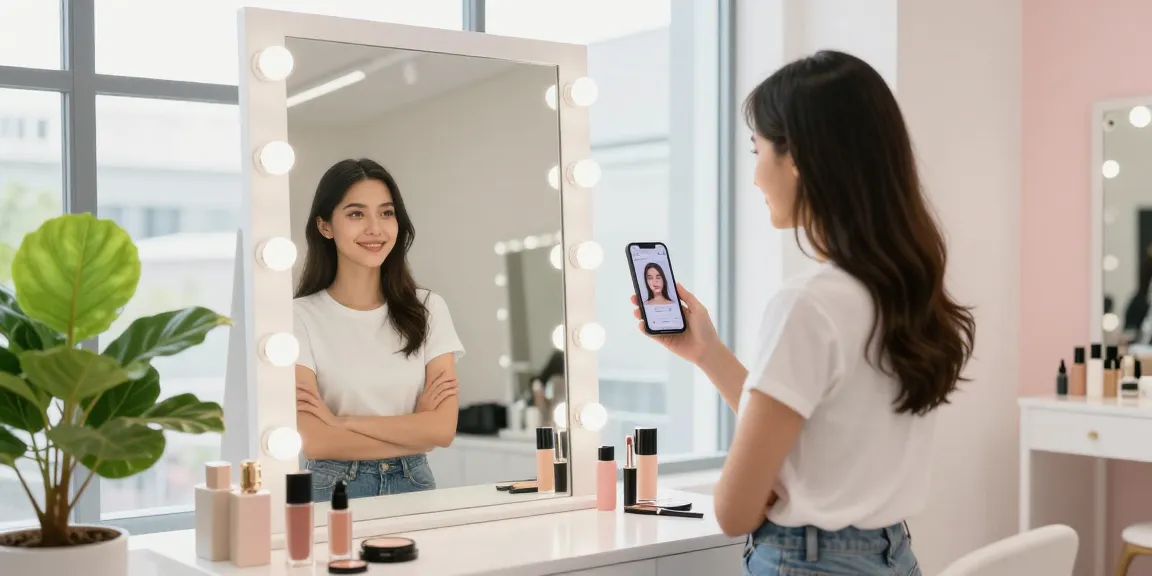
As technology continues to evolve, so does our understanding of age perception. Facial age estimation technologies have emerged as powerful tools that allow individuals to gain insights into how old they appear based on their facial features. With the rise of artificial intelligence (AI) and machine learning, these tools have become increasingly sophisticated, providing results that are both entertaining and informative. Many platforms now offer features that allow users to upload a photo and receive an estimation of their perceived age. Among these, how old do i look stands out as a user-friendly option that combines technology with a fun application of self-perception.
What is Facial Age Estimation?
Facial age estimation is the process by which algorithms analyze visual data from photographs to determine the perceived age of an individual. This technology utilizes various facial features, such as skin texture, wrinkles, and facial structure, to predict age. The accuracy of these estimations can vary significantly depending on the underlying algorithms and the quality of the input images. Over the years, researchers have developed increasingly complex models that can not only estimate age but also provide insights into how an individual's features correlate with biological age.
How Does AI Analyze Age in Photos?
The backbone of facial age estimation lies in AI and machine learning. These technologies enable computers to recognize patterns in vast datasets of annotated facial images. The process typically involves several key steps:
- Data Collection: Large datasets of facial images, typically labeled with the actual ages of the subjects, are collected to train the model.
- Feature Extraction: The AI analyzes images to identify features that may indicate age, such as the presence of wrinkles, sagging skin, and uneven pigmentation.
- Model Training: Using the extracted features, the AI is trained to correlate these indicators with specific ages. This allows the system to learn how to predict age accurately.
- Age Estimation: Once the model is trained, it can analyze new images to provide age estimations based on the learned patterns.
This sophisticated process allows users to see a predicted age that may differ from their actual age, leading to introspection and even entertainment.
Key Players in the Age Estimation Industry
The market for facial age estimation is rapidly expanding, with several key players leading the charge. Companies such as FaceAge.ai and Fotor provide online platforms where users can upload photos and receive instant feedback on their perceived age. These services often employ extensive databases and advanced machine-learning algorithms to improve accuracy. Furthermore, applications such as BeautyPlus and various mobile apps available on platforms like Google Play have made this technology accessible to a broader audience, catering to users looking for fun and informative ways to engage with their appearance.
Impacts of Self-Perception on Mental Health
The way we perceive ourselves, particularly regarding age, can have profound implications for our mental and emotional well-being. Age estimation technologies not only provide an evaluation of physical appearance but also act as a mirror reflecting societal standards and self-expectations.
How Age Estimation Affects Self-Image
Self-image is shaped by numerous factors, including feedback from peers, societal ideals, and the media. When individuals use facial age estimation tools, they may experience shifts in their self-perception. Positive estimations can bolster confidence, while negative feedback can lead to feelings of insecurity and anxiety. This phenomenon underscores the importance of understanding how these technologies can influence mental health.
Links Between Perceived Age and Confidence
Research indicates a significant correlation between perceived age and levels of self-confidence. Individuals who appear younger than their actual age often report higher self-esteem and body satisfaction. Conversely, those who feel they look older may experience negative emotions tied to self-worth. The impact of age estimations can be especially pronounced on platforms where appearances are heavily scrutinized, such as social media.
The Role of Social Media in Age Perception
Social media platforms are powerful players in shaping perceptions of youth and beauty. The prevalence of filtered images and age-defying portrayals creates unrealistic benchmarks, influencing how individuals assess their ages and appearances. As users engage with age estimation tools after viewing curated content online, the gap between perceived and actual age may lead to increased anxiety regarding looks, further complicating the relationship between technology and mental health.
Best Practices for Uploading Photos for Accurate Age Estimates
To maximize the effectiveness of age estimation tools, users should adhere to certain best practices when uploading their photos. These practices enhance the probability of obtaining a reliable age estimation.
Optimal Lighting Conditions for Clear Images
Good lighting is crucial in facial recognition technology. Natural light is often preferred, as it reduces shadows and highlights skin textures more accurately. Users should avoid harsh overhead lights and instead opt for diffused lighting that evenly illuminates their face.
Choosing the Right Angles for Age Detection
The angle from which a photo is taken can significantly impact the accuracy of age estimation. It’s recommended to take photos from eye level, ensuring the face is fully visible without obstructions. A straightforward headshot often yields the best results.
Common Mistakes to Avoid When Uploading Photos
Users can enhance the accuracy of age estimations by avoiding common pitfalls, such as:
- Filters: Avoid using filters or heavy editing software, as these can distort age-related features.
- Obstructions: Ensure that the face is unobstructed by hats, sunglasses, or other accessories, as this can hinder the AI's ability to analyze key features.
- Group Photos: Always upload individual images, as group photos complicate the AI’s task of identifying a single subject's features.
Future Trends in Age Estimation Technology
As we look ahead, several trends are emerging in the field of age estimation technology. The convergence of AI advancements and ethical considerations will shape future developments in this space.
Advancements in AI and Machine Learning
The rapid evolution of AI is expected to yield even greater accuracy in age estimation technologies. Future models will likely integrate deeper neural networks and reinforcement learning, which can adapt over time based on user feedback and new data. This could lead to personalized algorithms that account for ethnic diversity, skin types, and unique aging characteristics.
Emerging Privacy Concerns in Age Detection
As facial recognition technology expands, so too do concerns regarding privacy and data security. Users must be made aware of how their images are used, shared, and stored, creating a demand for transparent policies and ethical considerations in data handling practices. Companies must prioritize user consent and protection of personal data to build trust concerning age estimation tools.
Potential Applications Beyond Age Estimation
The potential applications for age estimation technologies extend beyond mere curiosity. For instance, such technologies can be adapted for use in dermatology clinics for personalized skincare recommendations or in marketing, where demographic targeting could be improved. Furthermore, they hold promise for academic research, particularly in studies related to aging and health.
FAQs About How Old Do I Look
What factors influence how old I look in photos?
Several factors influence perceived age, including skin health, genetics, lifestyle choices (like diet and smoking), and environmental factors such as sun exposure. Furthermore, emotional state and posture can play a role in the age one appears to convey.
Are there any limitations to age estimation technologies?
Yes, age estimation technologies have limitations. Factors such as lighting conditions, image quality, and the diversity of the dataset used for training the AI can impact accuracy. Additionally, cultural perceptions of aging can vary widely, leading to discrepancies in how age is interpreted across different populations.
Can I change how old I look through skincare?
While skincare products can improve skin texture and elasticity, ultimately, the biological markers of aging cannot be wholly reversed. However, a diligent skincare routine can help mitigate signs of aging, leading to a younger appearance in photos and daily life.
How accurate are online age estimators?
The accuracy of online age estimators can vary. Many rely on advanced algorithms and large datasets, but factors such as photo quality and the specific model used can influence results. Users should treat estimations as a fun insight rather than a definitive assessment of age.
Will age estimation tools evolve with technology?
Absolutely. As AI and machine learning technologies advance, the tools used for age estimation will become more sophisticated. Improvements in accuracy, privacy compliance, and user experience will continue to drive the evolution of these technologies in the coming years.